3:50 p.m. New York time
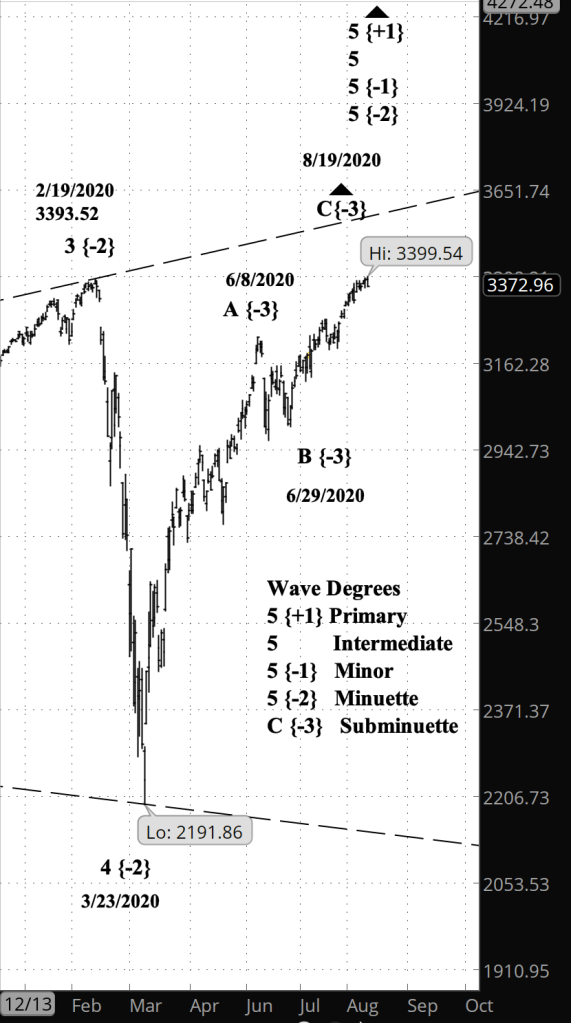
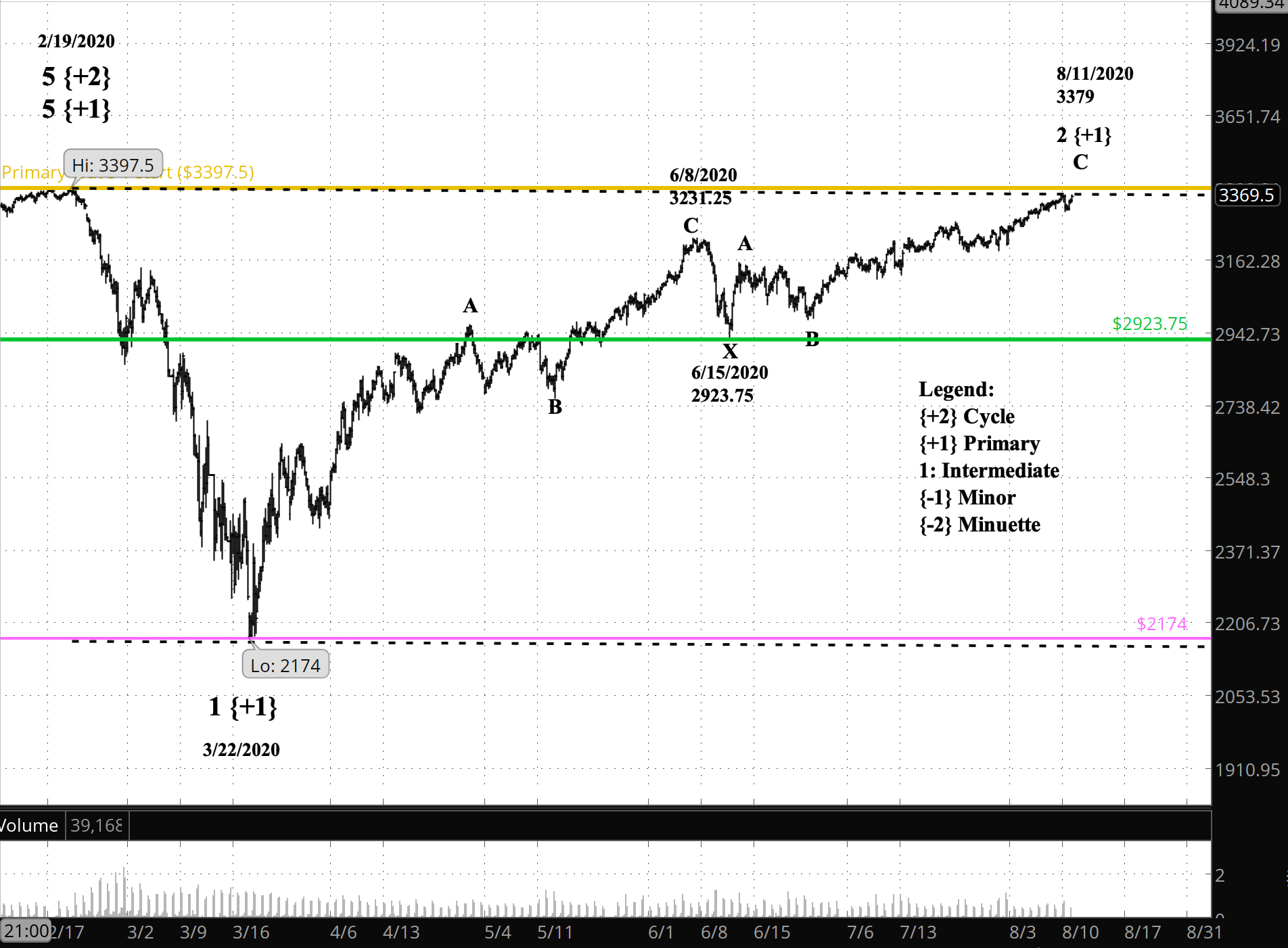
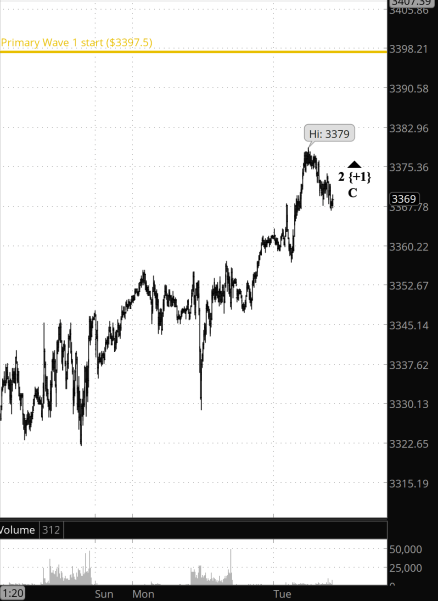
I’ve done an analysis of the current 5th wave of Minuette degree. We are now in the third, and final, wave of Minor 5: The C wave of Subminuette degree.
10:40 a.m. New York time
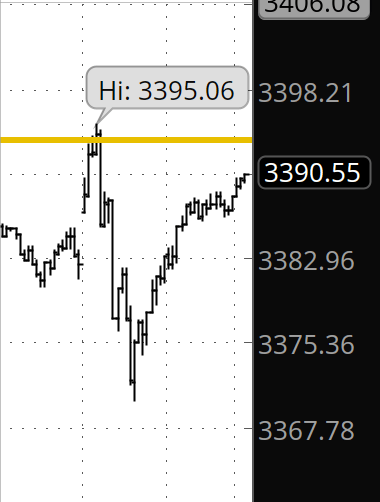
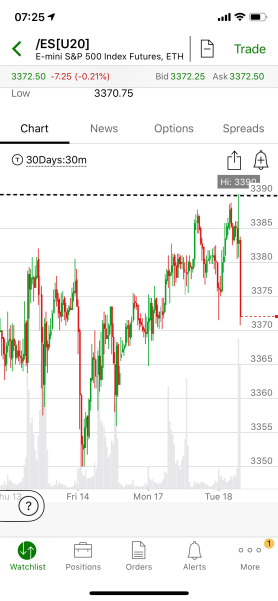
What’s happening now? The S&P 500 index rose slightly this morning, reaching a new high of 3395.91.
What does it mean? Each incremental rise lends credence to the conclusion that the previous high, in February, wasn’t the end of the uptrend that began in December 1974. However, the S&P 500 futures remain below the February high, making it impossible to produce a definitive count. For now, I’ll use the index count and treat the E-mini futures count as an alternative.
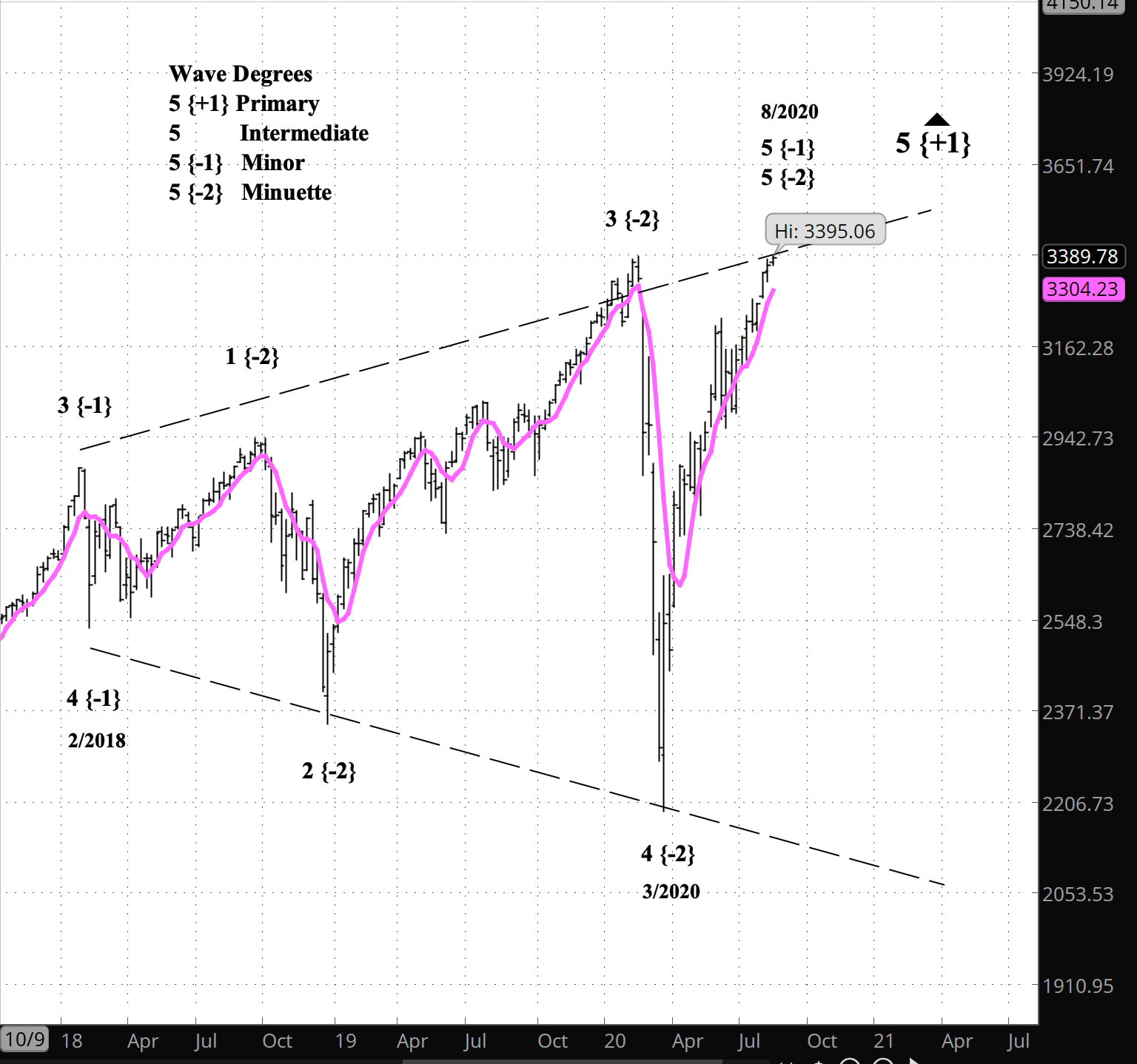
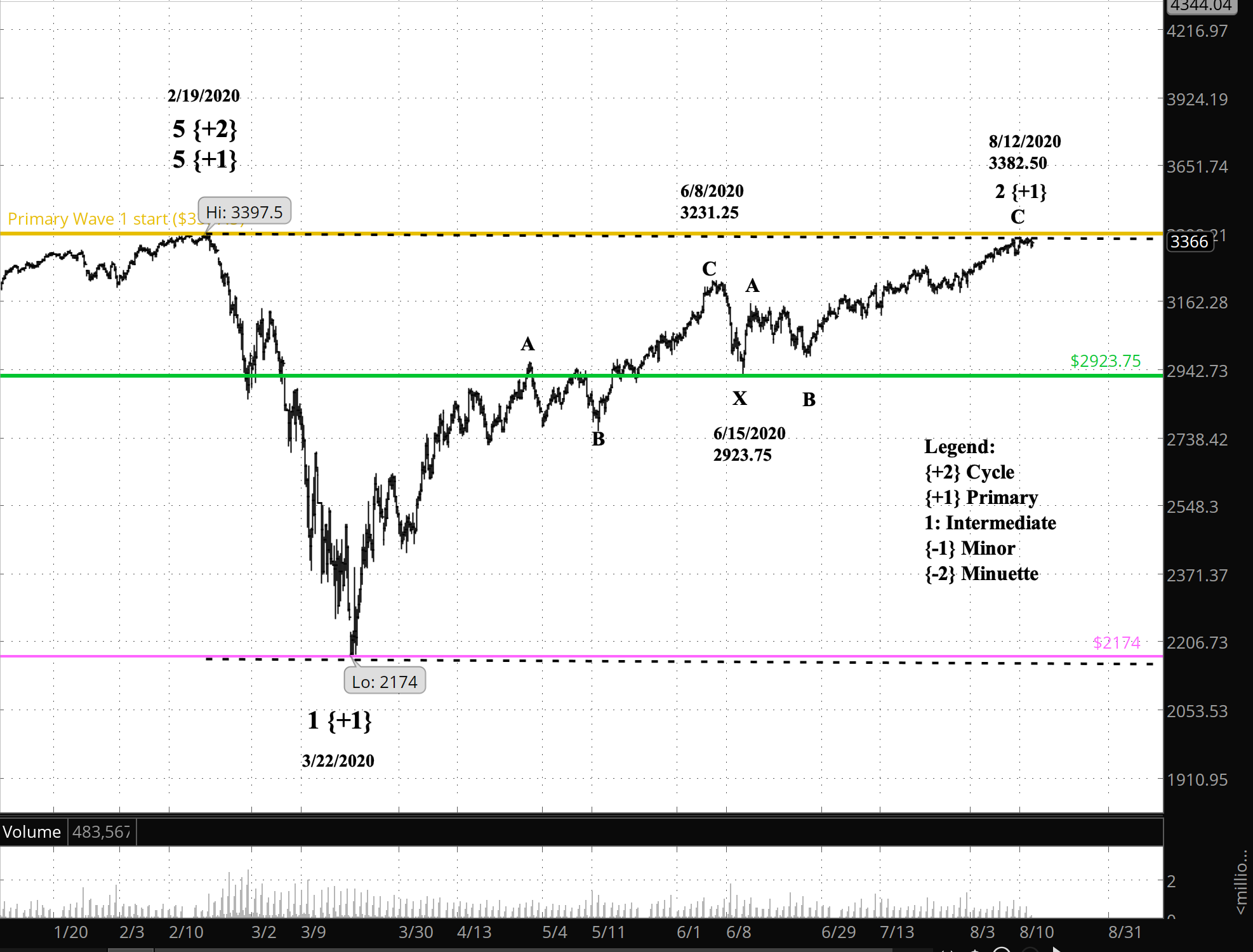
What does Elliott wave theory say? The S&P 500 index in September 2018 began a diagonal triangle formation, the 5th wave of Intermediate degree within a 5th wave of Primary degree that began in December 1974.
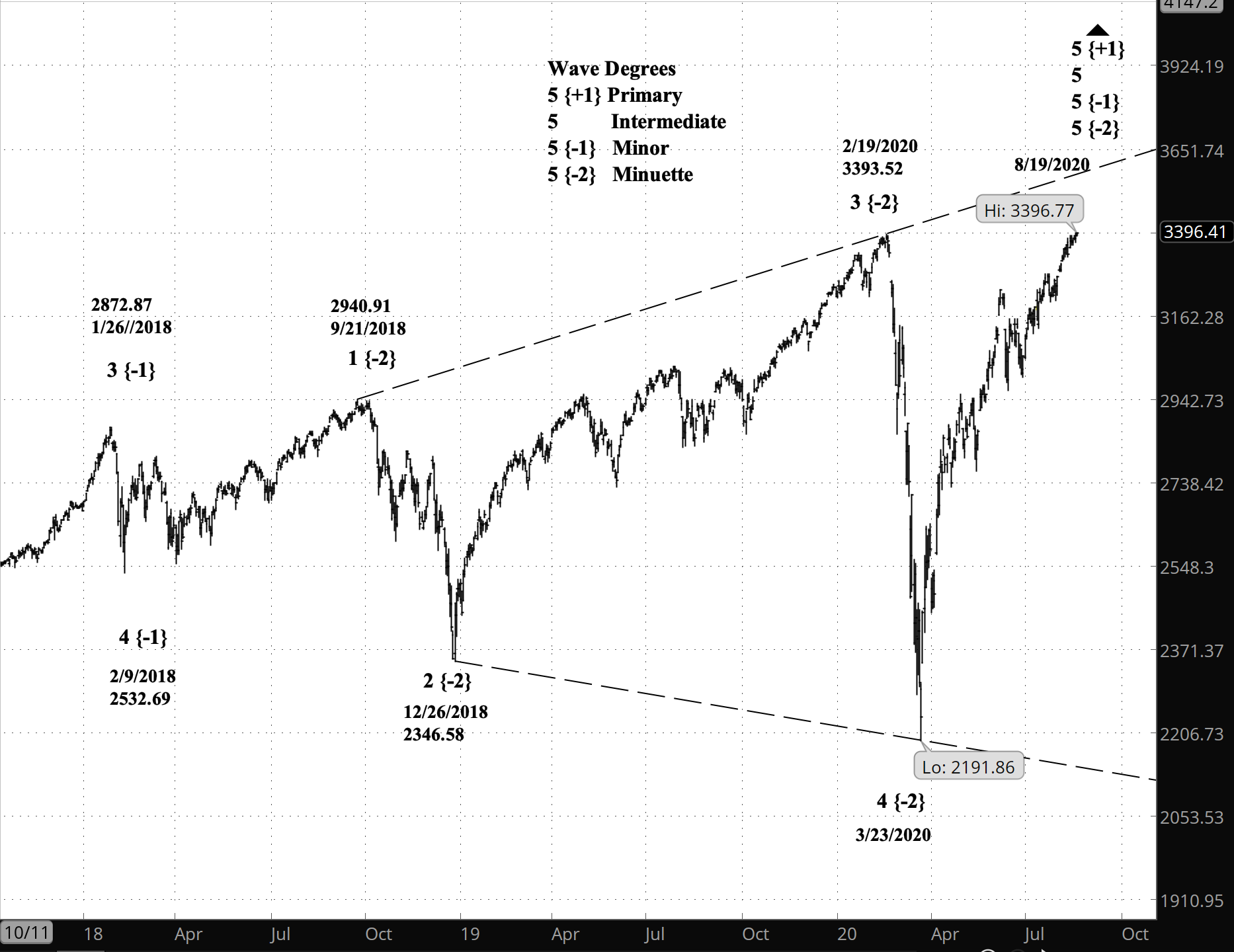
The decline from February 19 to March 23, coinciding with the beginning of the Covid-19 global pandemic, was the 4th wave of Minuette degree, and its conclusion in March was the beginning of the present Minuette 5th wave that is still underway.
The completion of the Minuette 5th will also be the conclusion of the 5th waves (in ascending order) of Intermediate, Primary and Cycle degrees. A large-scale decline will follow, initially reaching the 2000 level and eventually far below that.
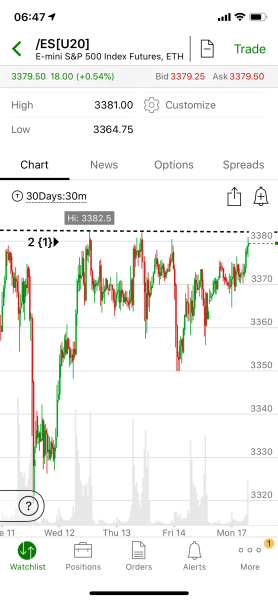
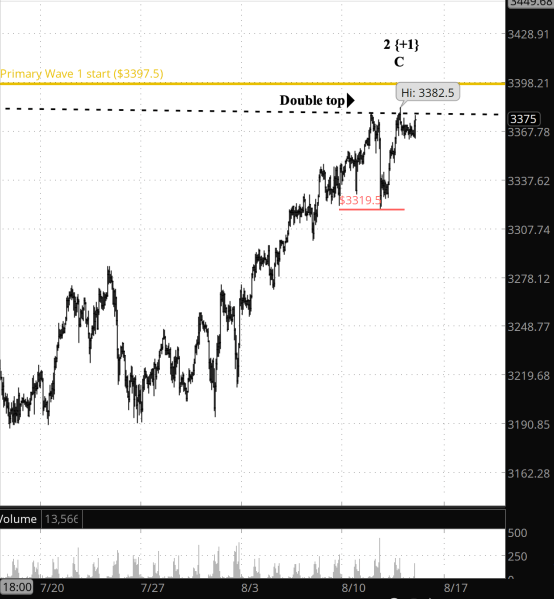
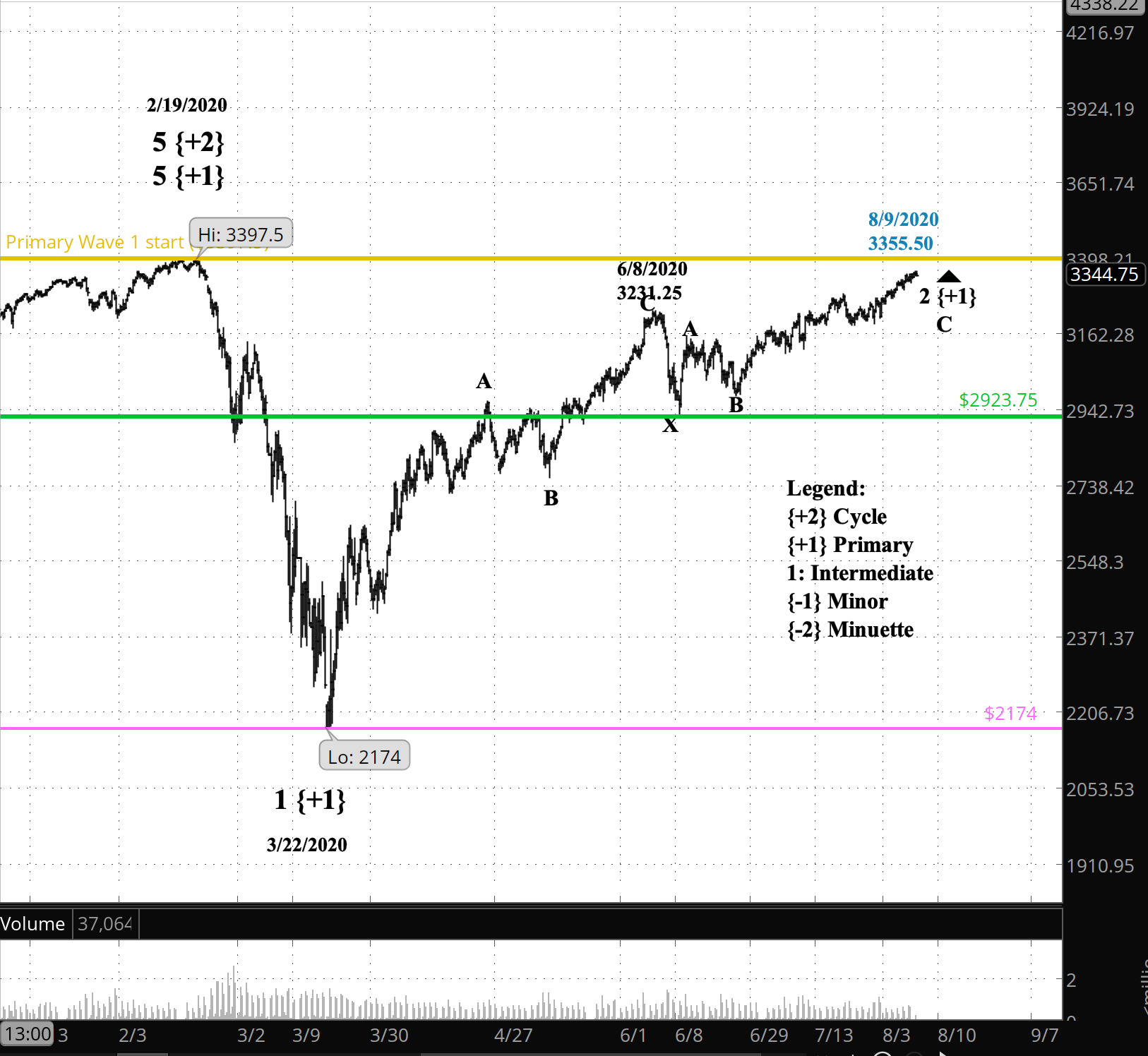
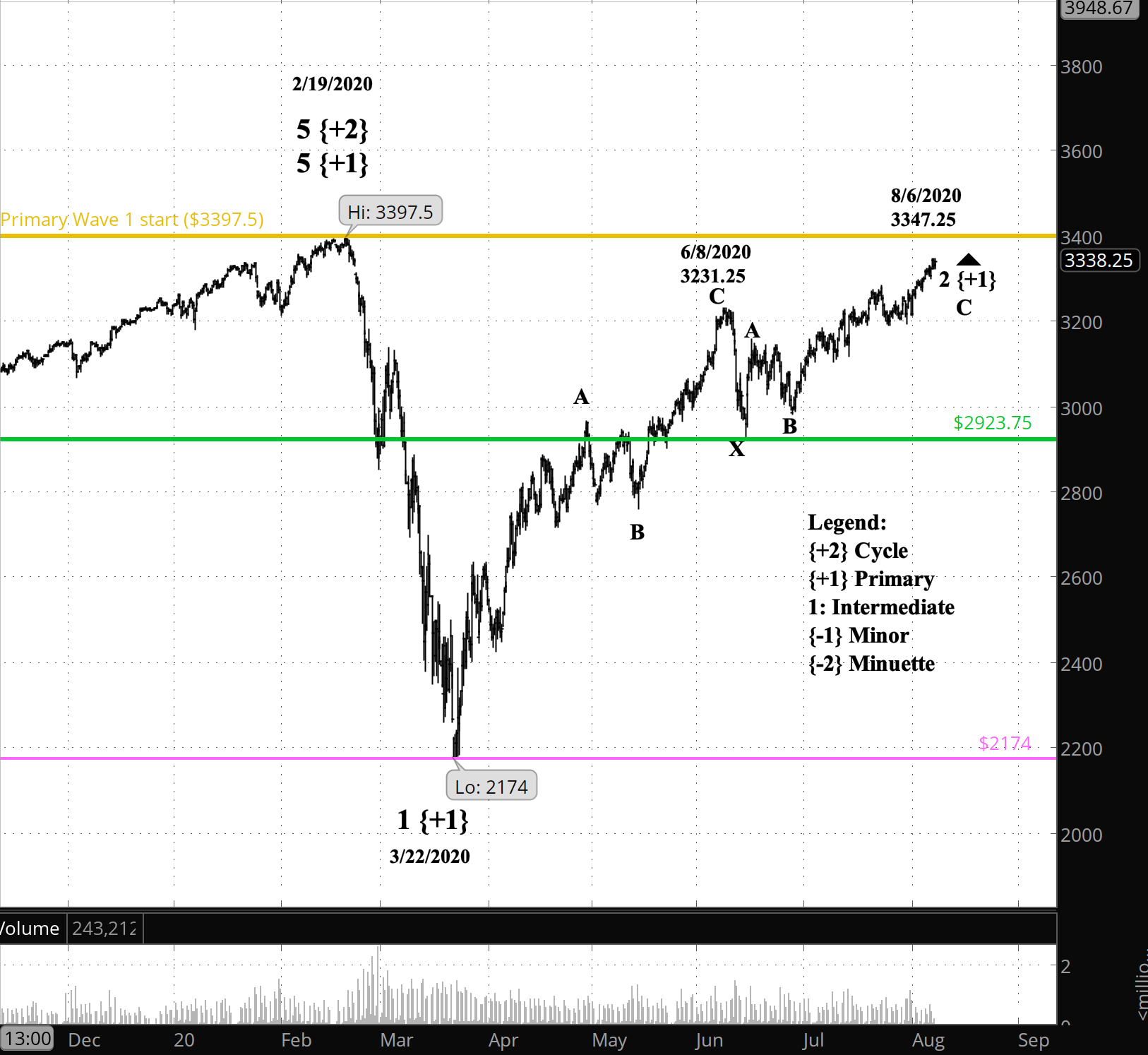
What is the alternative? The fact that the S&P 500 E-mini futures have not yet moved beyond the February high leaves open the possibility that Primary wave 5 ended in February and that the large-scale decline is already underway. If the futures move above their high of February 19, then the discrepancy will be resolved.
Under this count, the futures are nearing the end of Primary wave 2, with a significant Primary 3 decline to follow.
(See yesterday’s post, “The Wave 2 Rule Collides With Reality“, for a discussion of the discrepancy.)
What about my trades? Both the principle count and the alternative count anticipate a large decline soon. I’ll continue to hold my bear shares in SDS, which moves the opposite of the S&P 500 index, and stay out of options until Primary 5 under the principle count is complete.
3:50 p.m. New York time
I’ve done an analysis of the current 5th wave of Minuette degree. We are now in the third, and final, wave of Minor 5: The C wave of Subminuette degree.
10:40 a.m. New York time
What’s happening now? The S&P 500 index rose slightly this morning, reaching a new high of 3395.91.
What does it mean? Each incremental rise lends credence to the conclusion that the previous high, in February, wasn’t the end of the uptrend that began in December 1974. However, the S&P 500 futures remain below the February high, making it impossible to produce a definitive count. For now, I’ll use the index count and treat the E-mini futures count as an alternative.
What does Elliott wave theory say? The S&P 500 index in September 2018 began a diagonal triangle formation, the 5th wave of Intermediate degree within a 5th wave of Primary degree that began in December 1974.
The decline from February 19 to March 23, coinciding with the beginning of the Covid-19 global pandemic, was the 4th wave of Minuette degree, and its conclusion in March was the beginning of the present Minuette 5th wave that is still underway.
The completion of the Minuette 5th will also be the conclusion of the 5th waves (in ascending order) of Intermediate, Primary and Cycle degrees. A large-scale decline will follow, initially reaching the 2000 level and eventually far below that.
What is the alternative? The fact that the S&P 500 E-mini futures have not yet moved beyond the February high leaves open the possibility that Primary wave 5 ended in February and that the large-scale decline is already underway. If the futures move above their high of February 19, then the discrepancy will be resolved.
Under this count, the futures are nearing the end of Primary wave 2, with a significant Primary 3 decline to follow.
(See yesterday’s post, “The Wave 2 Rule Collides With Reality“, for a discussion of the discrepancy.)
What about my trades? Both the principle count and the alternative count anticipate a large decline soon. I’ll continue to hold my bear shares in SDS, which moves the opposite of the S&P 500 index, and stay out of options until Primary 5 under the principle count is complete.
 Tim Bovee, Private Trader
You must be logged in to post a comment.